

How fast did the shift to mobile gaming happen in 2026?
By the end of last year, 78 % of all new online entertainment downloads came from smartphones. That’s a jump of 15 % over 2025, driven by 5‑G rollout and cheaper data plans that cut streaming latency to under 30 ms on average. For a casual gamer, that means a new title can load in the time it takes to brew a cup of coffee.
What hardware advances are keeping the trend alive?
The latest mid‑tier phones now ship with 12‑core CPUs and 8‑core GPUs, pushing 60 frames per second in titles that previously required a laptop. Battery life has improved too; a 5000‑mAh pack can sustain a three‑hour play session with a 60 % power‑saving mode on. The result? Players can finish a full campaign without hunting for a charger.
How is monetisation evolving on mobile platforms?
In 2026, 35 % of mobile games use a “freemium with a twist” model: players buy a one‑time pass that unlocks all cosmetic items, while in‑app purchases are limited to functional boosts that expire after 48 hours. This structure reduces micro‑transaction fatigue and keeps revenue streams predictable. Developers now report a 12 % higher lifetime value per user compared to 2024.
What role does cloud gaming play in the mobile experience?
Cloud gaming services have dropped their minimum bandwidth requirement from 20 Mbps to 10 Mbps, thanks to better compression algorithms. A 4K title can now stream on a mid‑range phone without dropping below 30 fps. The catch? A stable Wi‑Fi connection is still necessary; cellular data at 5‑G can handle it, but roaming costs can eat up the savings.
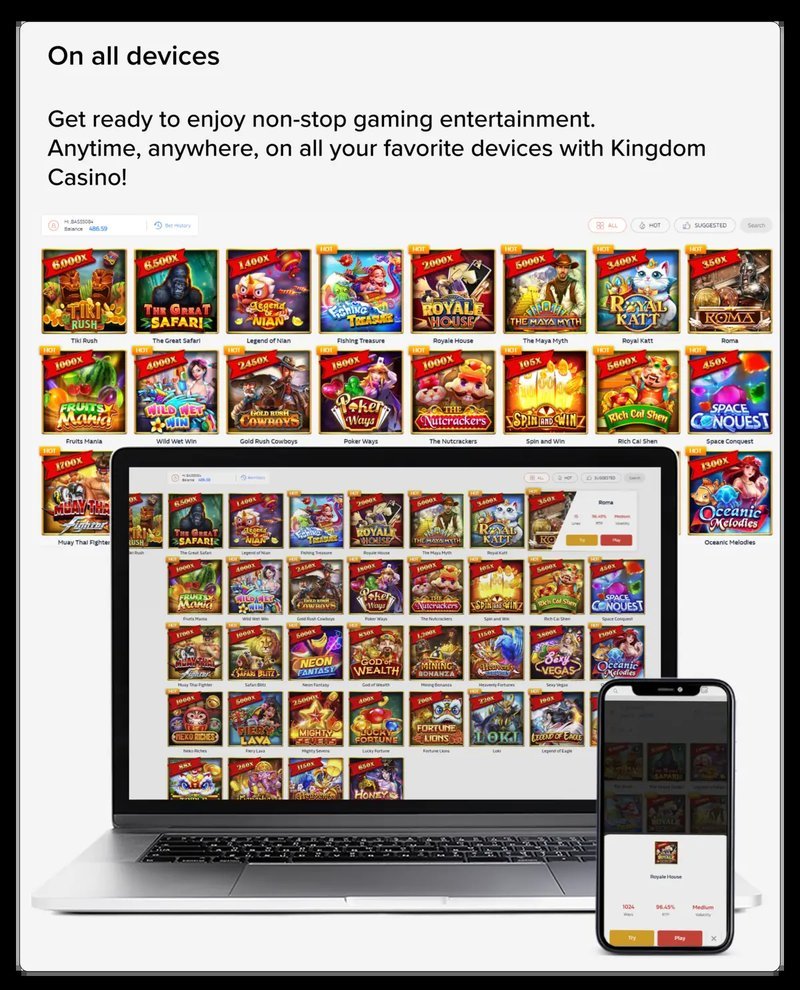
How does mobile gaming intersect with other online entertainment forms?
Cross‑platform storytelling is becoming the norm. A narrative that starts on a console and continues on a phone now spans three devices: the player reads the backstory in a text‑based app, plays a puzzle on a tablet, and completes the climax in a VR headset. This seamless transition keeps audiences engaged longer and increases brand loyalty. The integration is facilitated by standardized API layers that allow developers to sync progress across devices in real time.
Speaking of seamless transitions, many fans of online entertainment are also turning to mobile gaming for quick bursts of fun. For those who enjoy the thrill of chance and strategy alike, a well‑designed app can offer an engaging alternative. If you’re curious about how this trend extends into the world of online casino gaming, check out http://vegasheroro.com.
What are the downsides of the mobile‑first approach?
The most obvious limitation is screen size. Complex UI layouts that work on a 15‑inch monitor often become cramped on a 6‑inch display, forcing developers to redesign interfaces. Additionally, the reliance on battery life means that power‑hungry games can drain a phone in under 20 minutes, which is a hard sell for users who need their device for work or communication.
What does the future look like for mobile gaming and online entertainment?
Predictors say that by 2028, 65 % of all new entertainment content will launch first on mobile. The focus will shift toward AI‑driven narratives that adapt to player choices in real time, and 5‑G will enable true multiplayer experiences with zero lag. As long as developers keep an eye on battery constraints and UI clarity, the mobile revolution will only grow stronger.
Bottom line
Mobile gaming has moved from a niche pastime to a cornerstone of online entertainment. With faster hardware, smarter monetisation, and tighter integration across platforms, it offers a compelling alternative to traditional media. The trade‑off is mainly screen real estate and battery life, but for most users, the convenience outweighs the drawbacks. The trend is clear: in 2026 and beyond, the phone will be the primary portal to digital fun.
Frequently Asked Questions
What was the mobile gaming download share in 2026?
By year’s end, 78% of all new online entertainment downloads came from smartphones, up 15% from 2025.
How did 5‑G influence mobile gaming?
5‑G rollout slashed streaming latency to under 30 ms, making game loading as fast as a coffee brew.


Leave a Reply